
What we learned about responsible AI, human rights, and global equity at one of the field's leading interdisciplinary programs — and why it matters for the industry.
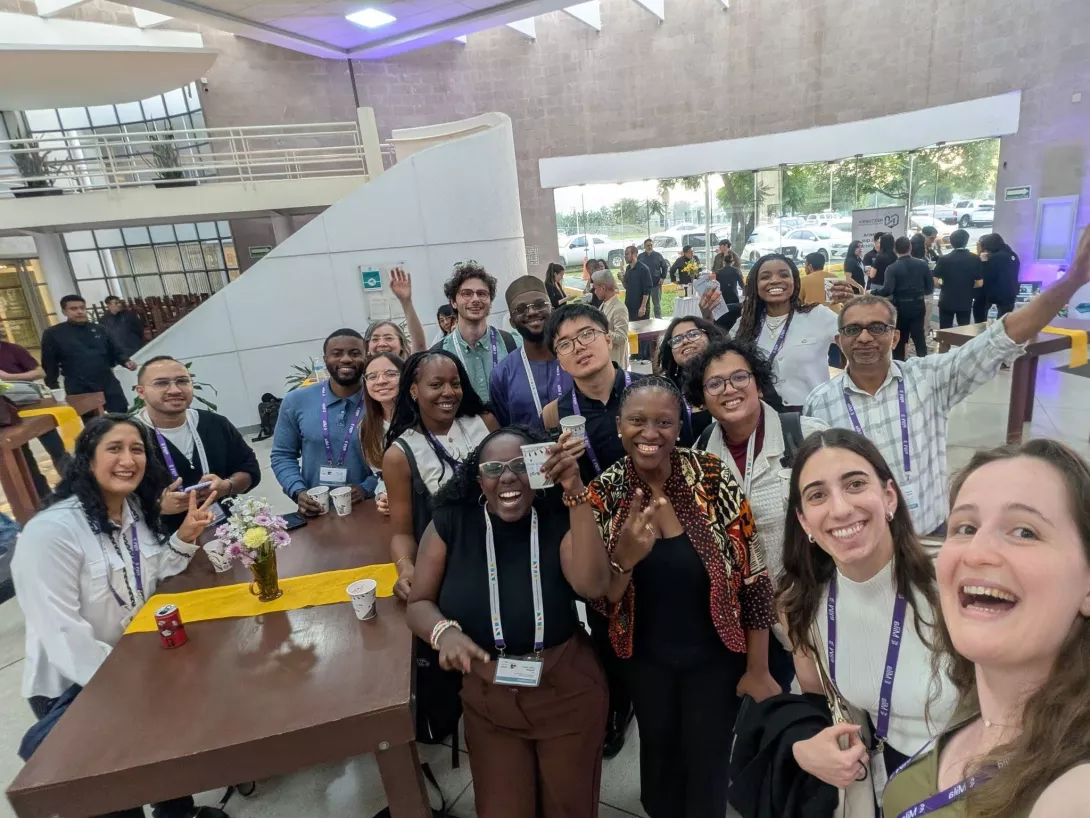
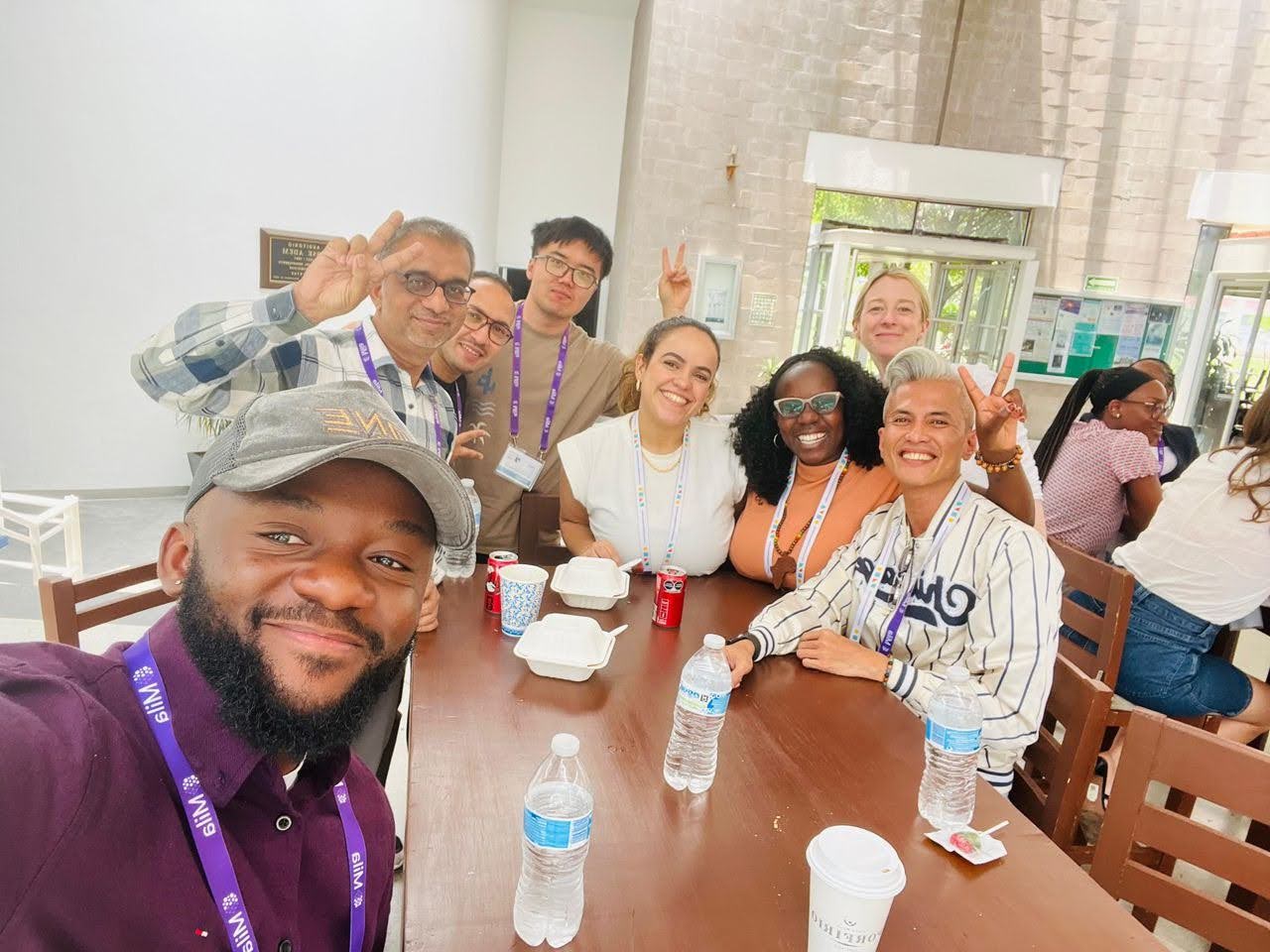
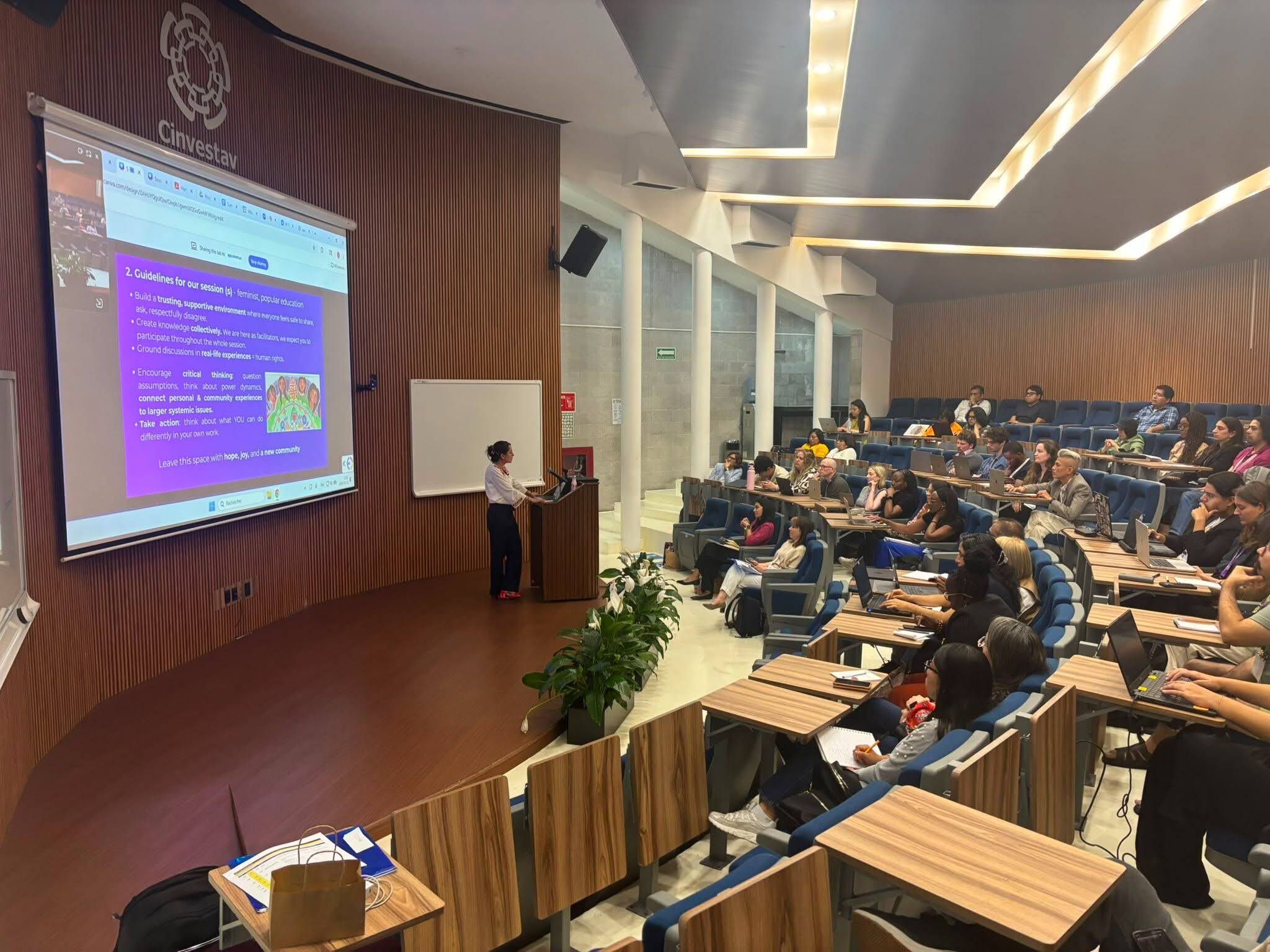
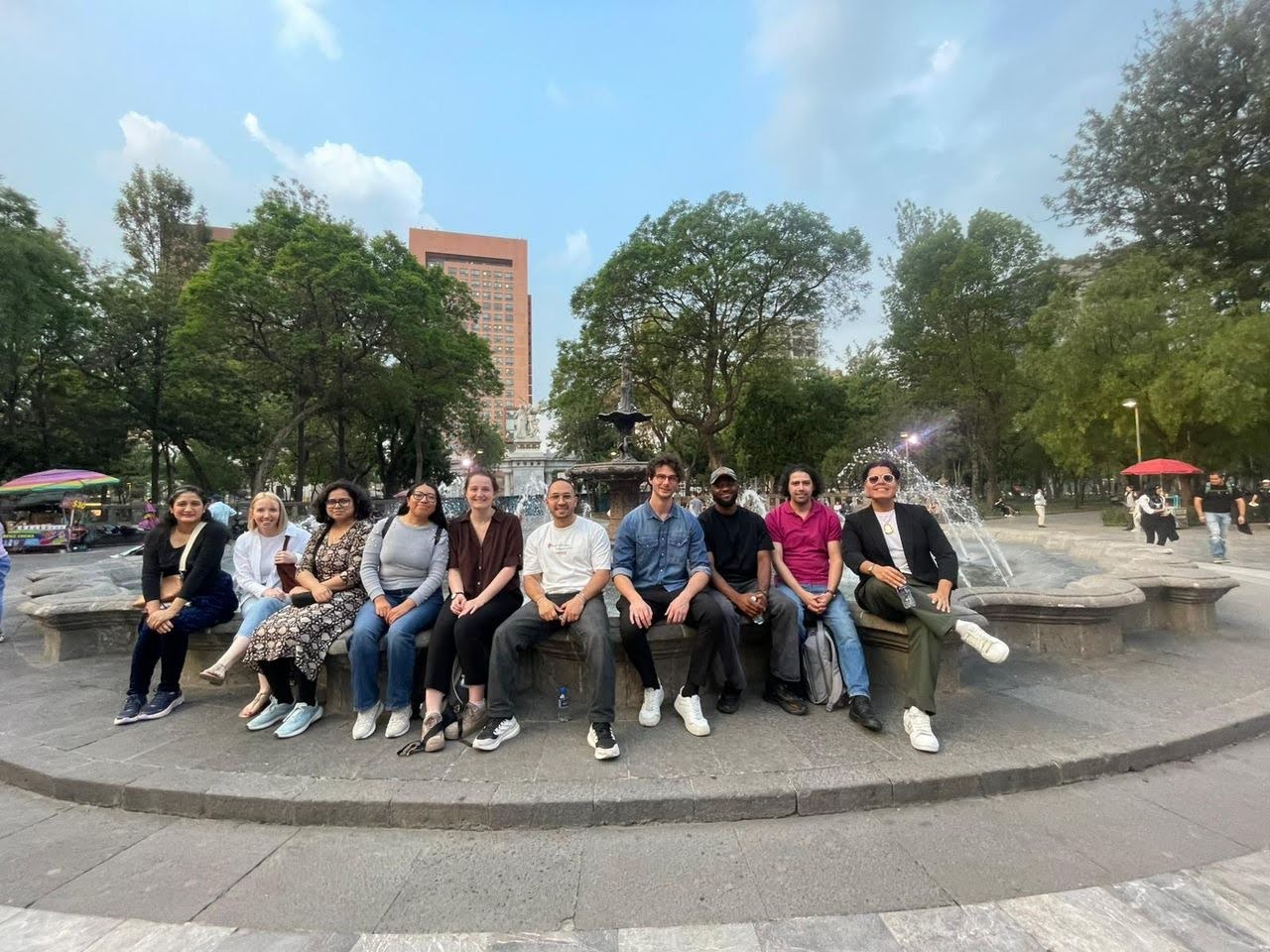
Earlier this year, a member of our team attended the 2026 MILA Summer School on Responsible AI and Human Rights, held for the first time outside of Montreal, in Mexico City. Over five intensive days, the program brought together AI practitioners, policymakers, legal experts, educators, and civil society advocates from around the world to examine what it actually takes to build AI systems people can trust.
We wanted to share some of the most valuable ideas from that week — both because they shaped how we think about responsible AI development, and because we believe they're relevant to anyone building or deploying AI today.
About the Program
The Summer School in Responsible AI and Human Rights is run by Mila, the Quebec AI Institute closely associated with Yoshua Bengio, one of the most influential researchers in artificial intelligence and chair of the International Scientific Report on the Safety of Advanced AI. 2026 marked the program's fourth edition and its first outside Montreal, delivered through a new partnership with CINVESTAV, Mexico's leading public research center, and IVADO, a Montreal-based responsible AI consortium.
The program is deliberately interdisciplinary. No technical background is required to attend, and the cohort typically includes engineers, lawyers, policymakers, educators, and civil society representatives from every continent. That mix isn't incidental — it reflects a core premise of the program: that responsible AI is not a problem engineering alone can solve.
A few figures worth noting: 93% of past participants report having implemented responsible AI practices in their own organizations after attending, and over 70% remain in contact with fellow participants a year later — evidence that the program functions as an active, ongoing network rather than a one-off training course.
Why This Matters Now
Since 2020, transformer architectures have driven a significant shift in AI capability. What's emerging next isn't simply larger models — it's general-purpose systems and AI agents integrated with other tools and software, including multi-agent systems capable of operating with minimal human oversight.
One framing from the program is worth highlighting: AI is increasingly infrastructure, in the same sense that aviation and banking are infrastructure. Those industries developed rigorous safety cultures over decades — incident investigation, accountability structures, regulatory oversight. AI is being deployed at comparable scale and speed without that maturity yet fully in place. The risks are not abstract: hallucinations, privacy and security vulnerabilities, misinformation, and AI-enabled fraud are already present in real-world deployments.
A central point raised throughout the week: AI is powerful, but it is not neutral. Outcomes depend on the data used, the design choices made, and the commercial incentives of the organizations building these systems.
Responsible AI as a Set of Lenses
One of the clearest frameworks presented was the idea that "Responsible AI" isn't a single checklist, but several perspectives practitioners need to hold simultaneously:
- Human Rights — does a system respect what people are entitled to, independent of probability or likelihood?
- Harm — what could concretely go wrong for a real person?
- Failure / Model Failure — where does the model itself break down technically?
- Hazard — the potential for harm to exist, whether or not it has yet materialized.
- Risk — the likelihood and severity of a hazard actually resulting in harm.
Alongside these lenses, the program introduced a practical operating framework: Map → Measure → Manage → Govern. Map the context and relevant stakeholders. Measure what can be quantified and monitor early signals. Manage by implementing real controls — including the option of deciding a system should not be deployed at all. Govern through human oversight and clear prioritization of which risks matter most.
Why Responsible AI Requires More Than Engineering
A central argument throughout the program was that AI systems operate across too broad a range of contexts and social realities for any single technical discipline to anticipate on its own. Responsible development requires AI practitioners, policymakers, legal experts, educators, and civil society organizations involved from the outset — not consulted only after a system is built.
One example raised repeatedly: educational AI tools require careful evaluation before classroom deployment, not after. The rapid, largely unvetted rollout of ed-tech during the pandemic illustrated the consequences of skipping that step.
This connects directly to the challenge of explainability. As AI models grow more capable, they also tend to become more opaque — genuine "black boxes" whose outputs even their designers cannot always fully explain. A useful concept raised in this context: two models can achieve identical accuracy scores while embodying very different underlying values — one may be more fair, robust, or privacy-preserving than the other. Choosing which model to deploy is therefore a values-based decision, not a purely neutral technical one — which is why technical auditing alone is insufficient without broader, multi-stakeholder input.
A Closer Look: Africa's Position in the Global AI Ecosystem
One of the most significant discussions of the week focused on Africa's position within the global AI landscape, and it's a topic we believe deserves wider attention.
The program addressed digital extractivism — a pattern in which data, labor (including data labeling and content moderation), and physical resources (compute, energy, minerals) are drawn from African contexts to train and operate AI systems, while the resulting commercial value accrues largely to technology companies based elsewhere. This mirrors historical patterns of resource extraction, where raw material leaves a region and returns as a finished, imported product on terms set by others.
This dynamic is compounded by a well-documented data gap: roughly two-thirds of AI training datasets are in English, leaving African languages structurally underrepresented in the systems being built today. This represents a governance challenge, not merely a technical limitation to be addressed later.
The issue is not abstract. A proposed data-center project in Kenya — reportedly valued at approximately $1 billion and linked to Microsoft/UAE investment — was cancelled following public and political opposition centered on exactly this tension: who bears the environmental and social cost, and who captures the resulting value.
The program also highlighted meaningful opportunities: investment in local AI research capacity so expertise, not only data, remains and grows within the region; African-led governance frameworks shaped by African governments, researchers, and civil society rather than frameworks imported wholesale from elsewhere; deliberate investment in African-language datasets and models; and a broader shift toward designing AI systems with the communities they affect, rather than merely for them.
That last principle draws on Design Justice, a framework developed by Sasha Costanza-Chock, which asks three fundamental questions of any system: Who is in the room when it is designed? Whose knowledge counts as expertise? Whose harms are centered? Applied honestly across much of the AI industry today, the answer is often: not the communities most directly affected.
The program also drew on examples from other regions facing similar questions. New Zealand's Māori data sovereignty movement, for instance, uses the concept of Kāitakitanga — guardianship — rather than "ownership." This is a substantive distinction, not a semantic one: "ownership" implies a legal framework built around individual property rights, while "guardianship" implies a framework built around responsibility to community. This logic is reflected in the CARE Principles (Collective Benefit, Authority to Control, Responsibility, Ethics), developed specifically because the widely used FAIR data principles were designed for open science and do not account for collective or indigenous data rights.
Practical Takeaways
The program's core message was that trustworthy AI does not result from a single technical safeguard applied at the end of development. It emerges from an interdisciplinary process — involving engineers, legal and policy experts, educators, civil society, and affected communities — applied consistently throughout a system's lifecycle. Based on these sessions, we see several practical steps organizations can take:
- Apply a Map → Measure → Manage → Govern review at the start of AI projects, rather than treating ethical review as a final-stage formality.
- Involve non-technical stakeholders earlier — legal, policy, and end-user perspectives — during design, not only at review or launch.
- Ask the explainability question up front: can a specific decision be explained to the person it affects, in plain language, after the fact?
- Incorporate human-rights and equity considerations into design reviews — who could be affected, and whose data or language might be underrepresented?
- Design with affected communities, not only for them, particularly where systems touch external or underrepresented populations.
- Track incidents and near-misses systematically, distinguishing potential-for-harm signals from confirmed failures, and review them on an ongoing basis.
Looking Ahead
Trustworthy AI is not a property added to a system after the fact — it is the product of an ongoing, genuinely interdisciplinary process. Programs like the MILA Summer School make the case clearly: technical expertise, legal and policy insight, and the perspectives of affected communities all need a seat at the table, from the earliest stages of development through deployment and monitoring.
We're glad to have taken part in this year's program, and we look forward to applying what we learned as we continue building AI responsibly.